Key findings
- GAO denied reconsideration on October 13; October 14 feed discovery does not change the decision date.
- GAO records that a protected report was inaccessible and no redacted copy was provided; the late inquiry did not excuse missed comments.
- The denial preserves a procedural dismissal and does not resolve the allegation that VA improperly restricted competition.
What remains open
- How are agencies and GAO making inaccessible-report problems and extension requests visible before comments deadlines?
- What records would establish the solicitation’s competitive merits, which this reconsideration decision does not decide?
The decision is procedural, and consequential
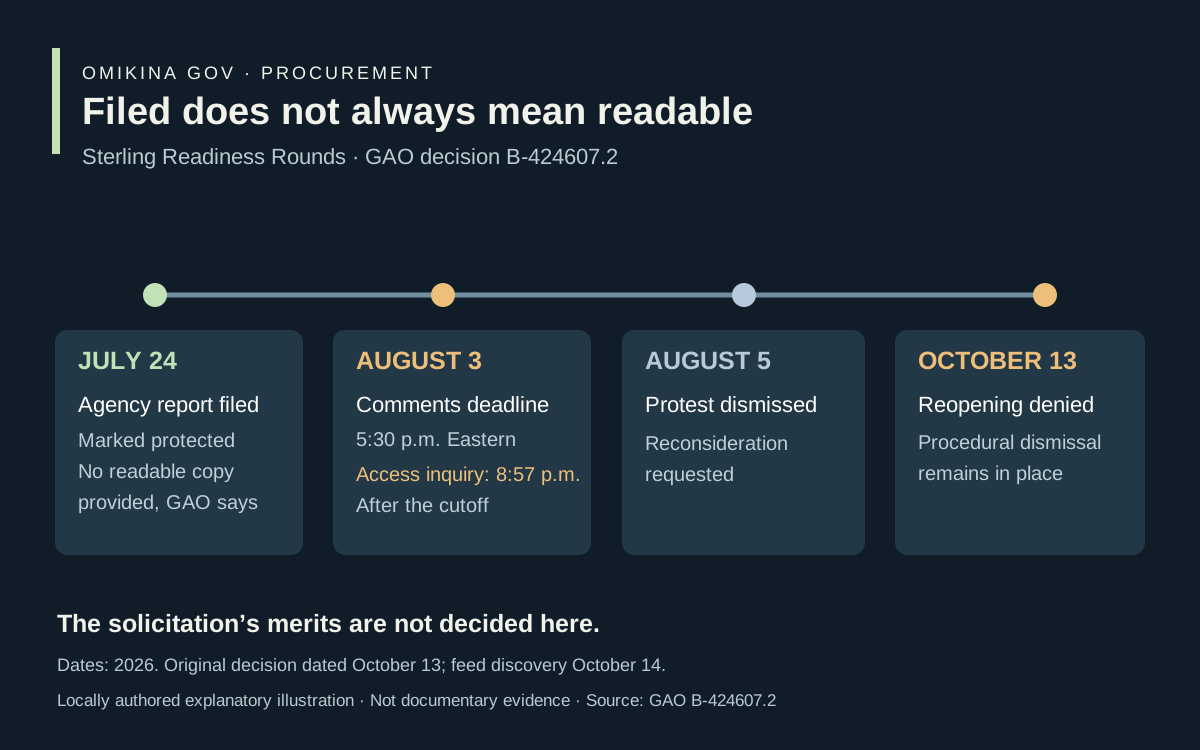
GAO's October 13 decision denied Sterling Readiness Rounds' request to reopen a dismissed bid protest concerning Veterans Affairs software licensing and reporting services. The small business alleged that a sole-source solicitation for the Walsh Quality Assurance Inspection Platform improperly restricted competition. This new decision resolves reconsideration of a missed deadline; it does not decide whether that allegation about the solicitation was correct. [1]
The decision became a newly discovered record in this desk's October 14 feed check, but its own date is October 13. The earlier protest was dismissed on August 5. Keeping those dates separate prevents a catalog alert from becoming a claim that the procurement changed today. The meaningful development is GAO's refusal to reverse that procedural outcome after considering the contractor's access explanation. [1]
The report was filed, but the contractor could not open it
According to GAO, VA filed its agency report in the Electronic Protest Docketing System on July 24 and marked it protected. Sterling represented itself, no protective order was issued, and it could not view or download documents with that marking. GAO records that VA neither filed a redacted version nor emailed one to Sterling; GAO was unaware that the contractor lacked a viewable copy. [1]
GAO nevertheless identifies August 3 at 5:30 p.m. Eastern Time as the comments deadline. Sterling's first message about being unable to access the report arrived at 8:57 p.m. that day, after the deadline. It asked how to see the report and whether the deadline still applied. No comments were submitted by the established cutoff, and the protest was dismissed. These times describe this case's record, rather than a deadline calculated for another procurement. [1]
Access and timeliness are separate obligations
The agency's disclosure responsibility remains part of the story. In a footnote, the decision cites GAO's May 2018 descriptive guide: when an unrepresented protester is denied protected documents, the agency still must provide documents or an explanation adequate to inform it of the basis for the agency's decision. The guide is historical procedural context, explicitly relied on by the October 2026 decision; it is not evidence that Sterling received the required material. [1] [2]
GAO also explains that an inability to receive or download a report does not automatically extend the comments period. Its cited decisions require notifying GAO about the problem and requesting an extension before the comments deadline. Sterling argued that the acknowledgment did not explain how to handle access problems and that a self-represented business would not know the relevant case law. GAO rejected those arguments as grounds for reconsideration and said its procedural requirements do not exempt parties without counsel. [1]
The public record exposes a process question
Our analysis is that this record distinguishes two things an electronic filing system can otherwise make look identical: notice that a report exists and usable access to its contents. The filing triggered the timetable even though the protected document was unavailable to this protester. That makes early identification of access problems a substantive part of participating in the protest process, alongside the agency's obligation to provide adequate information. This conclusion follows the decision's reasoning; it is not personalized legal advice. [1] [2]
The next accountability question is how agencies and the protest system make those two obligations visible before a deadline expires. This bounded review does not inspect Sterling's protected report, its full correspondence, or the unpublished August 5 dismissal. It therefore cannot assess the procurement's competitive merits, infer intentional obstruction, or determine whether other contractors encounter the same problem. The established outcome is narrower: GAO denied reconsideration and left the procedural dismissal in place. [1]
The evidence file
Sources & evidence
Read the original records behind this analysis. Dates below distinguish publication from retrieval.
Published October 13, 2026. Retrieved October 14, 2026.
Published May 2018. Retrieved October 14, 2026.
How this article was prepared
AI assisted the research and writing of this original analysis. It is grounded in the linked public sources. Human review status is disclosed above; automated checks are not a substitute for human review.
Editorial standardsCorrections policy