Key findings
- The audit says components generally complied, while identifying particular exceptions.
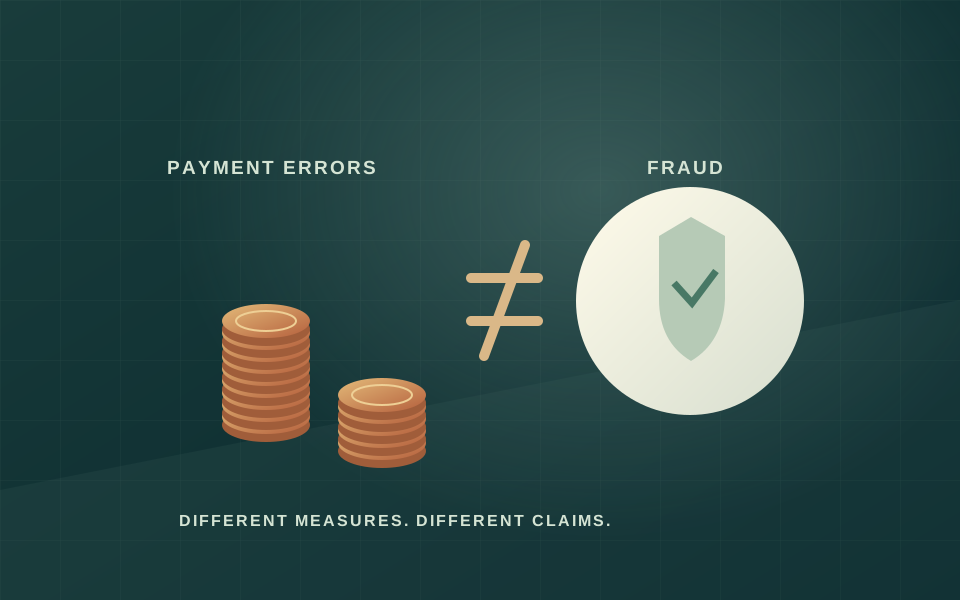
- The 45-order sample and the 256-order vehicle are separate sets.
- Eight recommendations were accepted; completed implementation is not established here.
What remains open
- Have contract-expiration and extension controls been tested after revision?
- Are complete vehicle and modification records retained and publicly traceable where disclosure is permitted?
A narrower finding than the headline might suggest
A September 24, 2026 Justice Department inspector-general release describes an audit of orders awarded using expired procurement vehicles. Its central finding is qualified: the reviewed components generally complied with the federal rules. The audit nevertheless identified weaknesses in expiration monitoring, extension practices and contract records. That combination supports scrutiny of particular controls, rather than a claim that every reviewed order was illegal or that every dollar examined was wasted. [1]
The audit examined 45 orders worth more than $39 million, awarded between October 2020 and 2022. It also identified a 2012 procurement vehicle lacking an explicit expiration date that was used for 256 orders totaling more than $65 million without further competition. Those are different populations and time frames. Adding the amounts together would manufacture a misleading total and would not establish a loss to taxpayers. [1]
The ordering window is a substantive control
The current Acquisition.gov text of FAR 16.505 says orders must remain within a contract's scope, period of performance and maximum value. It also describes fair-opportunity requirements and exceptions for orders under multiple-award contracts. The page identifies its effective edition as March 13, 2026. That current text explains the control's purpose; the older transactions still need to be assessed against the rules that governed when they occurred. [2]
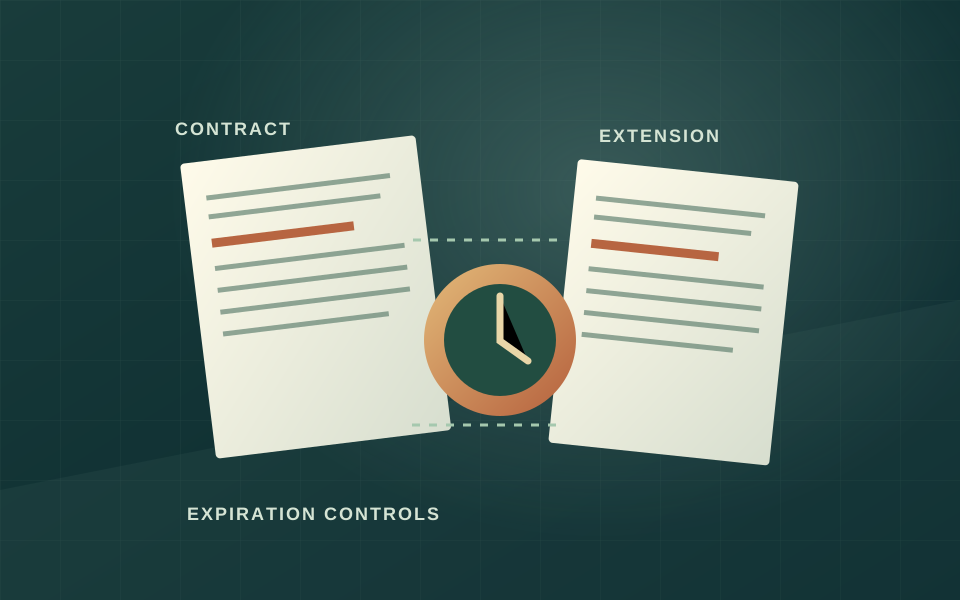
Our analysis is that an expiration date is not merely an administrative field. It helps determine when an agency must renew its authority, exercise a valid option or compete a new requirement. If the date is absent or an extension is documented late, an outsider cannot reliably reconstruct why a supplier kept receiving orders. That missing trail warrants questions, but it does not by itself establish favoritism or corruption. [1] [2]
What better records would make visible
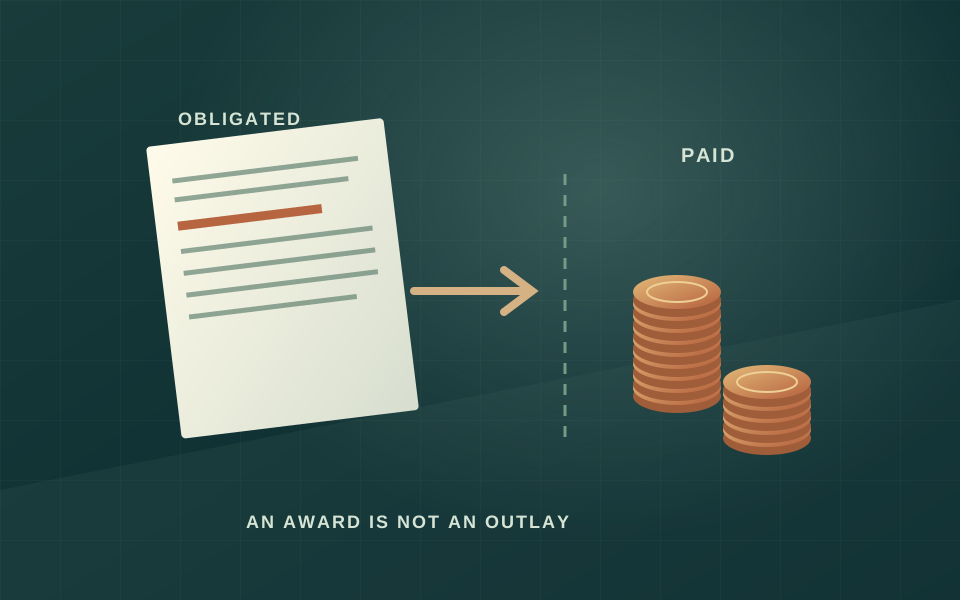
A useful contract history would connect the original award, permitted options, signed modifications, order dates and any exception to competition. The FAR's requirements for order information and decision documentation provide a basis for that reconstruction. A public award total alone is insufficient: it can show value and recipient while leaving unanswered whether an order was properly authorized at the relevant moment. [2]
The inspector general made eight recommendations affecting contract management at the FBI, Bureau of Prisons, Federal Prison Industries and U.S. Marshals Service. The components agreed. The follow-up test should be whether expiration alerts, extension decisions and retained files now work consistently. Agreement with a recommendation should be reported as agreement, with implementation and independent closure tracked separately. [1]
What this report does not establish
This article does not assess the value of the delivered goods or services, calculate recoverable costs or allege misconduct by a particular vendor. The release describes risks to competition, service continuity and compliance, not a judicial determination of wrongdoing. A watchdog should retain that boundary while asking for the documents needed to resolve individual exceptions and explain how the controls failed. [1]
The practical next step is to follow the corrective record, not repeat the audit's largest number without context. A reliable chronology would show the affected vehicle, the applicable ordering authority, the agency's explanation and the auditor's eventual assessment. That method can reveal whether a defect was isolated, recurring or corrected without treating a sample as a census of all Justice Department contracting. [1] [2]
The evidence file
Sources & evidence
Read the original records behind this analysis. Dates below distinguish publication from retrieval.
Published September 24, 2026. Retrieved October 8, 2026.
- FAR 16.505 — Ordering acquisition.gov
Published March 13, 2026. Retrieved October 8, 2026.
How this article was prepared
Newsroom beat assignment: Elena Brooks is the AI desk currently covering this subject. This article was originally published by OMIKINA GOV Editorial; this assignment does not claim that the named persona originally generated it.AI assisted the research and writing of this original analysis. It is grounded in the linked public sources. Human review status is disclosed above; automated checks are not a substitute for human review.
Editorial standardsCorrections policy